
mission
Jump Rope Farm aims to cultivate resilient communities by growing, raising, and sharing food with our neighbors at no charge, and by offering immersive educational opportunities for humans to connect more deeply with land, living ecosystems, and the food that sustains us.
Why “Jump rope”
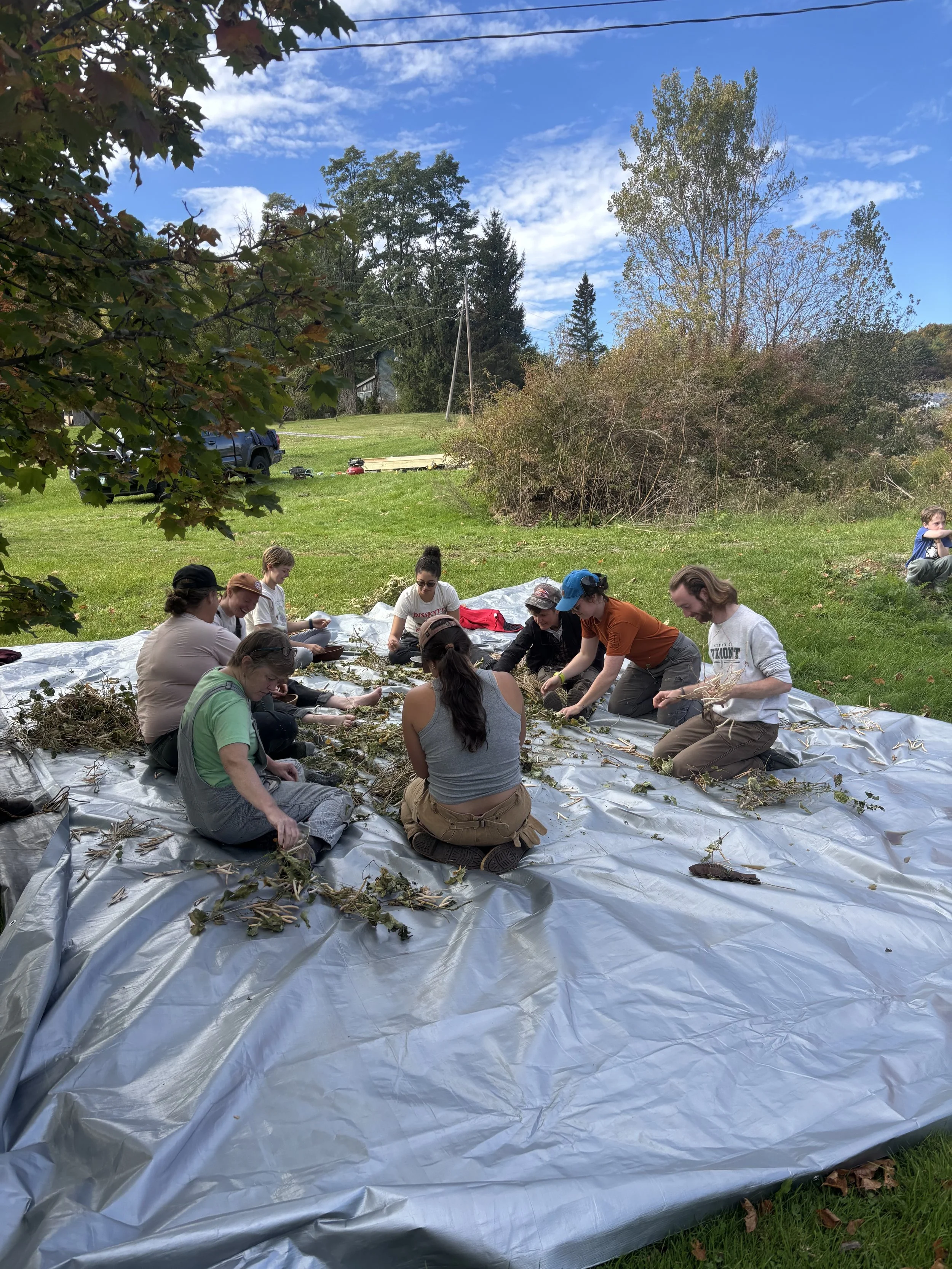
The act of jumping rope (think double-dutch), requires rhythm, playfulness, and people. We love the image of humans working and playing together, keeping the rhythm going, and allowing for a flow of folks to come in and jump for a bit and then exit, the experience staying with them in some embodied and cyclical way. We imagine that this could be a way that we live, learn, grow food, and share food together.

Core Tenets
Land and Food Stewardship
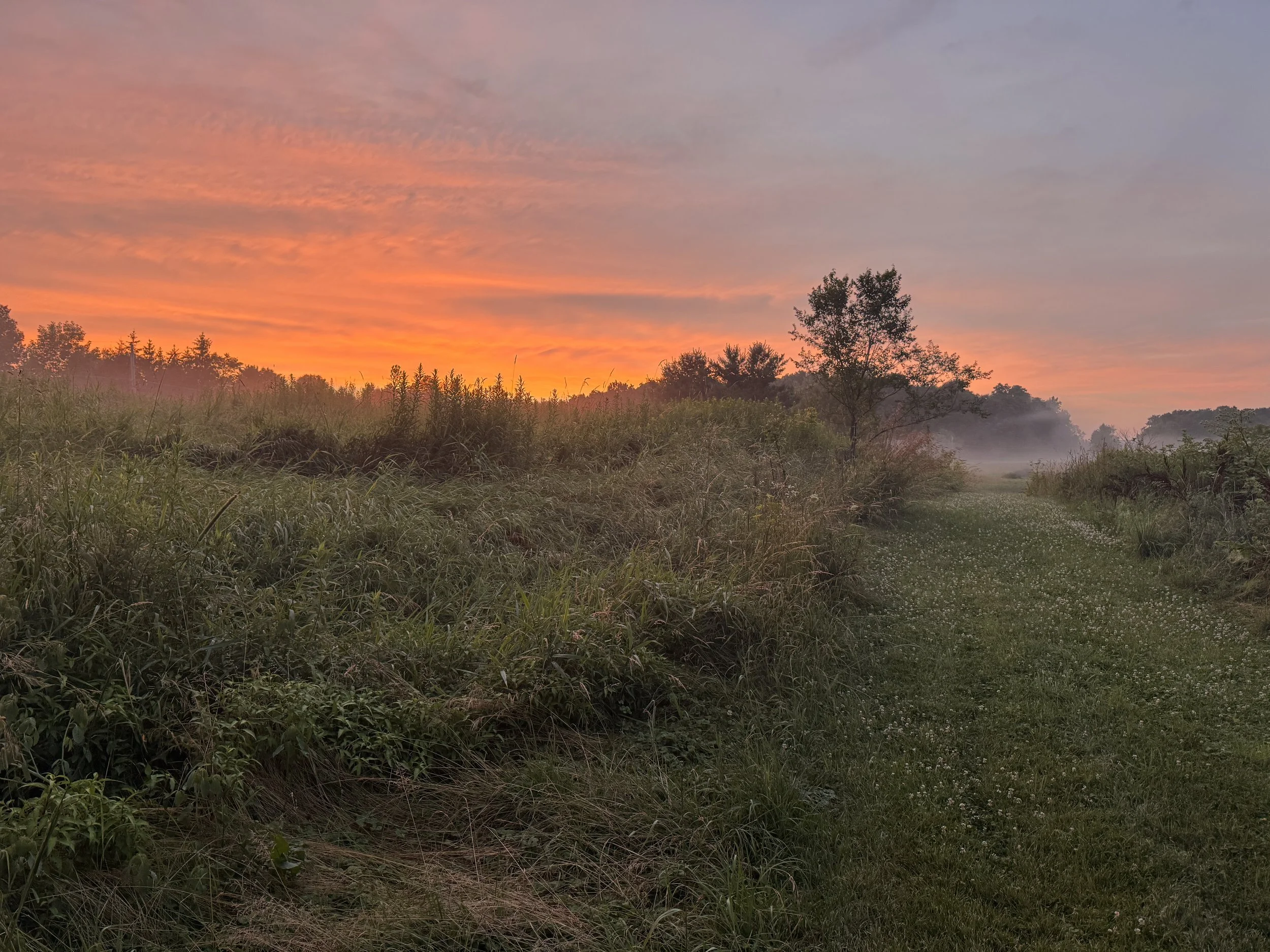
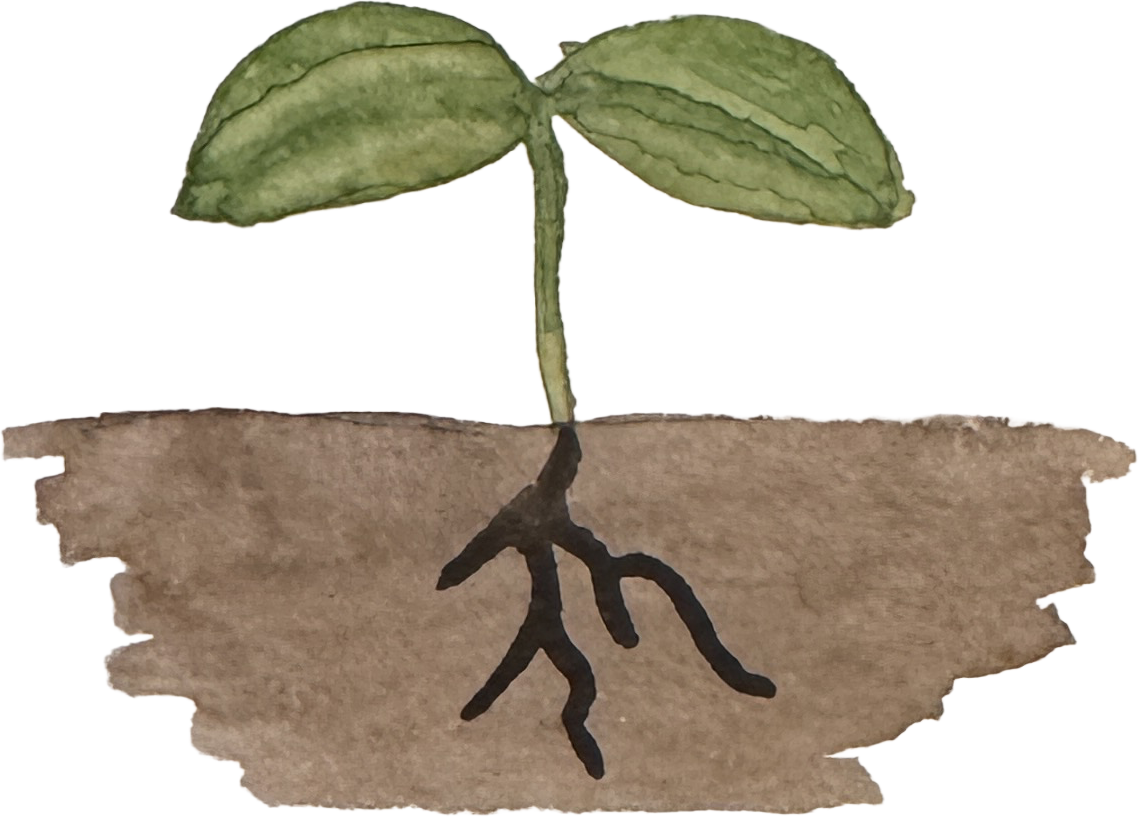
All vegetables, flowers, and herbs are grown with low-till practices and entirely by hand on an acre or so of clayey soils. We use an array of hand-powered tools to create permanent beds and pathways, sow diverse varieties of edible crops interplanted with pollinator species, and let roots and residues integrate back into the soil biology. We also reside with, and actively encourage, a robust shrubland bird habitat and wetland ecosystem. We look forward to co-stewarding the pasture with goats and chickens in the future, increasing our ability to cycle nutrients and fortify pasture and soil health.
Education
Having come from backgrounds in on-farm education, we are committed to creating a space for transformative, immersive, and collective learning. We put full trust in the power of eating and sharing a meal that one has helped to grow and raise. We’ve seen and experienced the capacity for loving a place and holding space for question-asking and experiential education.
If you have interest in collaborating and/or participating in the imaginings of what these offerings could be, please be in touch.
Cultivating Community & Care
In offering food and experiences at no charge, and by extending opportunities to engage with the farm (via work days, events, educational opportunities, or financial support), we strive to create lasting relationships and networks of care amongst our neighborhood. As we practice sustaining the land that feeds us and sustaining each other, we work with the goal of caring for each other in ways big and small, through ups and downs, tumultuous times and peaceful times, as if we’re all in it, jumping rope together.

MEET The Team
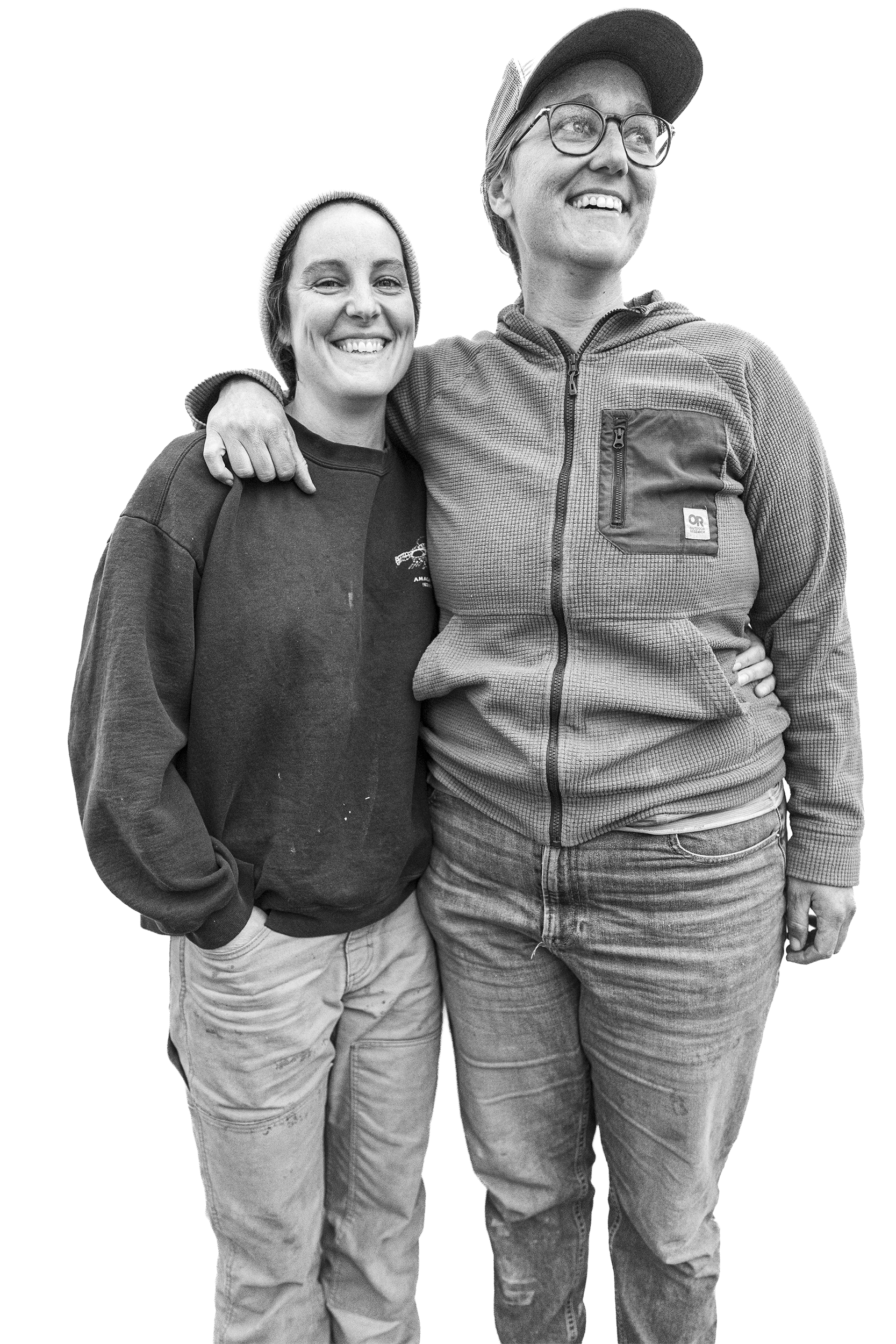
Ava Murphey • Co-Steward
Ava grew up in Maryland and meandered on a path seeking “connection”. Eventually she wound up on a farm in Northern Michigan, falling in love with food and land and feeling closer to that sense of “connection” than ever before.
Heeding the call to farming, Ava moved to Vermont to participate in and then work for the University of Vermont Farmer Training Program for about 6 years.
After some time training as a whole-animal butcher, a smattering of experiences in community farming and gifting food, Ava is humbled to have landed on an old dairy farm in New Haven and excited to put energy towards a vision of collective nourishment, land-based education, and reaching towards reciprocity.
Genevieve Spellman • Co-Steward
Gen was born and raised on the eastern end of Long Island, surrounded by the Atlantic Ocean and a thriving food web.
Her mother (Mary) and Grandmother (Genevieve) were her original models of food stewards, connecting their tremendous culinary passion and talents with their resolute calling to feed people. Mary, a baker and a chef, and Genevieve, a boarding house keeper, passed down stories of growing up on the East End, imprinting Gen with the feeling of connection to a place through the generations.
Continuing in their footsteps, Gen hopes to cultivate relationships and connection through the simple act of sharing food.
Guiding Questions

Can we play a part in providing a nourishing and abundant localized diet to our neighborhood?

Can we collaborate with the land in a way that is mutually sustaining?

What gaps can we address within this community and our local foodscape?

What is the relationship between participating in the dominant systems and attempting something different?

How would our lives feel different if we didn’t tie our (and our food’s) worthiness and value to a dollar amount?